18 min read · November 28, 2026
Shiatsu vs. Deep Tissue Massage: How to Choose the Right Fit

17 min read · Updated: 2026-11-28
Choose shiatsu if you prefer rhythmic pressure applied through clothing, often with stretching and work along the body’s energy pathways; choose deep tissue if you want focused, sustained pressure on specific muscles and can comfortably receive oil-based work on skin. Neither style is automatically better or more intense. Your goals, touch preferences, health needs, and the therapist’s communication matter most.
The names describe different approaches, not guaranteed outcomes. A shiatsu session may feel steady and structured, while deep tissue work may target a particular area of tension; either therapist should adjust pressure when you ask.
Use the comparison below to picture each appointment, assess comfort and positioning, and check a salon before booking. If you have an injury, health condition, or uncertainty about pressure, discuss it with a qualified healthcare professional and the therapist beforehand.
- Shiatsu usually uses rhythmic pressure through clothing; deep tissue generally targets muscles with sustained pressure on skin.
- Either style should be adapted to your comfort, goals, and health needs.
- Ask about positioning, draping, therapist credentials, service details, and booking terms before you commit.
- Speak up about pain or discomfort, and stop if your boundaries are not respected.
What Shiatsu and Deep Tissue Massage Are
Shiatsu’s Rhythmic Pressure
Shiatsu is a hands-on Japanese massage approach that commonly uses finger, palm, and sometimes elbow pressure over clothing. Practitioners may work along pathways called meridians and combine pressure with gentle stretches or joint movements. The pace is often rhythmic, but methods vary by therapist, so ask what their session includes rather than assuming every salon uses one fixed routine.
- Shiatsu commonly uses pressure through clothing.
- The session may include stretches or joint movements.
- Techniques and pressure vary among practitioners.
A shiatsu appointment may suit someone who prefers not to undress for massage or wants pressure applied in a measured sequence across the body. The therapist may work on a mat or table, depending on training and the salon’s setup. Tell them if a position, stretch, or area feels uncomfortable; consent and comfort should guide each adjustment.
Shiatsu is not simply a lighter version of deep tissue work, nor does its name guarantee a particular pressure level. A practitioner can apply firm pressure, but the technique and session structure differ from sustained muscle-focused work. Before booking, describe what you hope to address and ask how the therapist adapts the method to individual needs.
Deep Tissue’s Focused Work
Deep tissue massage generally uses slower strokes and sustained pressure to address selected muscles and connective tissue. The therapist usually applies oil or lotion directly to skin and may use fingers, thumbs, palms, or forearms. Despite the name, effective work does not require extreme pressure; a session should remain tolerable and responsive to feedback.
People often request deep tissue work for a specific area, such as tight shoulders or a stiff-feeling back. The therapist may concentrate there rather than treating every part of the body equally. Explain the location and nature of your concern, and mention recent injuries or sensitivity so the practitioner can decide whether to modify or avoid an area.
Deep tissue massage is a technique, not a promise to fix a condition or produce soreness. Temporary tenderness can happen, but pain that feels sharp, alarming, or hard to tolerate is a reason to speak up immediately. A skilled therapist can reduce pressure, change position, or use another approach instead of insisting that discomfort is necessary.
- Name the area you want addressed.
- Describe pressure that feels comfortable.
- Ask whether oil or lotion is used.
- Speak up if pain feels sharp or alarming.
How Each Session Typically Works
A Typical Shiatsu Appointment
A shiatsu session often begins with a brief conversation about your goals, health, and any movements or pressure to avoid. You generally remain clothed in comfortable, flexible garments, then lie on a mat or treatment table. The practitioner applies pressure in a sequence, checking how you respond and adjusting the pace or position as needed.
- Discuss goals, health, and areas to avoid.
- Change into comfortable clothing if needed.
- Settle on the mat or table.
- Give feedback as pressure and positions change.
Because clothing stays on, choose garments that allow the therapist to move your arms and legs without restriction. Avoid bulky accessories and tell the practitioner if you are cold, uncomfortable on the mat, or have difficulty lying in a particular position. The therapist can often use cushions or change your position to make the work more manageable.
Before the session ends, the practitioner may ease off pressure and give you time to sit up gradually. You can share which areas felt helpful and which did not, making the next appointment more tailored. Ask about any aftercare advice in plain terms, and treat unexpected or persistent symptoms as a reason to seek appropriate medical guidance.
A Typical Deep Tissue Appointment
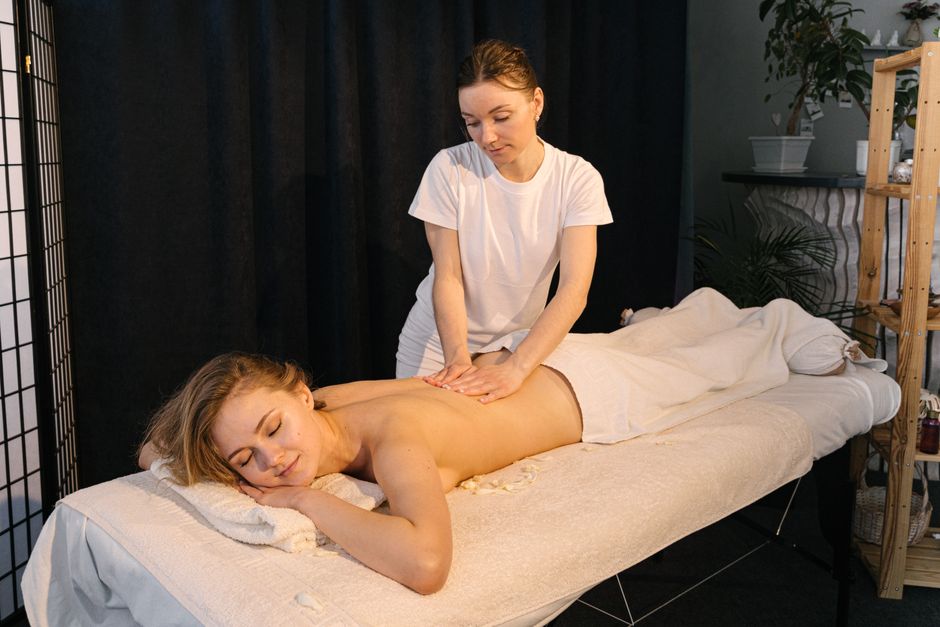
A deep tissue appointment typically starts with a conversation about the areas you want treated and how much pressure feels acceptable. The therapist explains draping and leaves you privacy to undress to your comfort level. During the massage, only the area being worked on should be uncovered, and you can request a change at any time.
The practitioner usually applies oil or lotion and works directly on skin, often concentrating on selected muscles with slower strokes. They may ask you to breathe normally or reposition to reach a particular area. Tell them promptly if pressure becomes painful, if you feel numbness or tingling, or if the treatment is not matching your stated preference.
Afterward, take your time getting off the table and notice how you feel before standing. The therapist may suggest drinking water or taking it easy if the work felt demanding, but advice should not replace medical care. If discomfort is severe, unusual, or persists, contact a healthcare professional rather than assuming it is an expected effect.
- Discuss target areas and pressure first.
- Confirm draping and privacy arrangements.
- Give immediate feedback during the massage.
Pressure, Positioning, and Client Comfort
Pressure Is Personal
The best pressure is one you can tolerate without bracing, holding your breath, or feeling sharp pain. Shiatsu pressure may be rhythmic and applied through clothing, while deep tissue work often uses sustained pressure on bare skin; either can be adjusted. Tell the therapist what feels comfortable instead of relying on a label such as gentle or firm.
Use specific feedback that gives the practitioner something to change: ask for lighter pressure, a slower pace, or less attention on one spot. If you feel tingling, numbness, burning, or pain that travels, say so and ask the therapist to stop or reposition. You do not need to wait until the end of a stroke or session to speak.
A therapist may check in verbally or watch for signs that you are tensing, but they cannot reliably know your comfort without your input. Agree on a simple way to pause before treatment begins, especially if you find speaking difficult once relaxed. If the therapist dismisses your feedback or pressures you to continue, end the session.
- Ask for lighter pressure or a slower pace.
- Report tingling, numbness, or sharp pain promptly.
- Agree on a pause signal before treatment.
- Stop if feedback is ignored.
| Choice | Typical approach | Comfort check |
|---|---|---|
| Shiatsu | Rhythmic pressure through clothing | Ask about mat or table positioning |
| Deep tissue | Sustained pressure on selected muscles | Request a tolerable pressure level |
| Either style | Can be adapted by the therapist | Speak up about pain or tingling |
Positioning and Draping
Shiatsu is commonly performed with clothing on, while deep tissue massage generally involves skin contact and draping. A therapist should explain where you will lie, what clothing to keep on, and how privacy will be protected before treatment starts. If the proposed arrangement does not suit you, ask about alternatives or choose a different service.
Comfort also depends on how your body is supported, not only on the massage technique. Mention pregnancy, limited mobility, recent surgery, or difficulty lying face down so the therapist can discuss a safer position or whether treatment is appropriate. Bolsters and cushions may help, but the practitioner should never force a position that causes pain or distress.
If you feel exposed, cold, or unstable on the table, pause and ask for a practical adjustment. You can request another covering, a different position, or more support under a joint. For a first visit, asking these questions before undressing can reduce uncertainty and help you decide whether the salon’s setup meets your needs.
Choose a therapist who can explain their training, the techniques they use, and how they adapt treatment to your goals.
Choosing a Therapist and Checking Salon Details

Check Training and Communication
Choose a therapist who can explain their training, the techniques they use, and how they adapt treatment to your goals. Ask whether they have experience with the style you are booking and what they do when a client requests less pressure. Clear answers help you judge whether the practitioner understands both the method and the importance of consent.
- Mistake: assuming a profile proves a current license; better: verify credentials with the relevant authority.
- Mistake: choosing by pressure claims alone; better: ask how treatment is adapted.
- Mistake: overlooking repeated review concerns; better: clarify them with the salon before booking.
Licensing rules for massage therapists vary by state and locality, so check the applicable requirements where the salon operates. Ask how to verify the practitioner’s credentials through the relevant licensing authority rather than relying only on a profile or verbal assurance. A salon should be willing to identify the therapist who will provide the appointment.
Read recent client reviews for specific details about communication, cleanliness, and whether the service matched its description. A single glowing or negative comment may not tell the whole story, so look for recurring, relevant observations. If reviews mention ignored boundaries, unclear charges, or a different service than booked, contact the salon for clarification before scheduling.
Confirm the Booking Details
Before confirming, check that the listed service is actually shiatsu or deep tissue and ask what the appointment includes. Clarify whether the session is performed on a mat or table, whether clothing stays on, and whether oil or lotion is used. These practical details help prevent a mismatch between your expectations and the salon’s treatment format.
Review the appointment length, cancellation terms, and total charge shown by the salon before you book. Ask whether the quoted amount includes any required fees, and confirm how the business handles late arrivals or changes. Do not assume that a directory listing contains every policy; contact the salon if any detail is missing or unclear.
Share relevant health information privately with the therapist before treatment, including allergies, injuries, or areas that should not be touched. You can also explain your preferred pressure and ask how to stop or modify the session. If the salon cannot answer basic questions about the service, therapist, or booking terms, consider another listing.
- Confirm the exact massage style and format.
- Check the displayed charge and cancellation terms.
- Share relevant health concerns privately.
- Ask how to pause or adjust treatment.
When a Salon Wants to Reach Local Clients
Make Salon Details Easy to Find
A clear, complete listing helps someone comparing shiatsu and deep tissue understand what a salon actually offers. Name the treatment styles, describe how clients can book, and state the service area accurately. Salon operators in Leicester reviewing ways local clients find their listings may find Leicester Seo Services relevant; this guide itself is for people choosing massage.
Keep practical details consistent wherever prospective clients encounter them. A different address, phone number, or set of hours across listings can leave people unsure which information to trust, while a specific location and current contact details make it easier to plan a visit. Review each profile after changes to hours, booking options, or the services offered.
Describe treatment options in terms clients can compare, not broad promises. For example, say whether a therapist offers shiatsu, deep tissue, or both, and explain how clients can ask about pressure and adaptations. Avoid suggesting one approach suits everyone; the best match depends on a person's preferences, comfort, and reason for booking.
Keep Local Information Current
Check the listing whenever a salon changes its schedule, address, booking process, or treatment menu. If online booking is temporarily unavailable, say how clients can make an appointment instead. A quick review of these details reduces avoidable confusion for someone comparing providers and helps them arrive with a realistic idea of what to expect.
Use wording that distinguishes a treatment from a guaranteed result. A listing can explain that deep tissue massage uses sustained pressure on deeper layers, or that shiatsu commonly uses pressure applied with fingers or palms. It should not promise to fix a condition or imply that every therapist uses an identical method.
Salon managers can also invite clients to share specific, honest feedback about the session and booking experience. Responding calmly to a concern and correcting factual errors helps future readers assess whether the service fits their needs. Do not expose private client information in a public reply; move personal booking or health details to an appropriate private channel.
Questions to Ask Before Booking

Clarify the Treatment Approach
Ask how the therapist delivers the style you are considering, because names alone do not tell you exactly what a session involves. For a shiatsu appointment, ask whether pressure is applied through clothing and what positioning is usual; for deep tissue, ask how sustained pressure is adjusted. Salon owners looking beyond treatment guidance may separately explore Seo Services.
- ☐ Confirm the treatment style, session format, and how to communicate a pressure change before you commit to an appointment.
- ☐ Ask whether the therapist can accommodate your comfort needs, and choose another provider if the answer leaves you uncertain.
- ☐ For salon operators reviewing their online presence, Seo Services is a separate resource from hands-on treatment advice.
- ☐ Check the salon's current booking instructions so you know how to request or change an appointment.
Explain your preferences before booking rather than waiting until pressure feels uncomfortable. You might say that you want firm pressure but would like the therapist to check in, or that you prefer a lighter approach around a sensitive area. A good conversation gives the therapist a chance to describe what they can adapt and what falls outside their practice.
Ask whether the therapist has experience working with your stated needs and whether any modifications may be appropriate. You do not have to share more personal information than needed to discuss comfort and safety. If the answer is unclear, or you feel rushed to book without your questions being addressed, consider contacting another salon.
- Ask what the session includes.
- Check how pressure can be adjusted.
- Confirm clothing and positioning expectations.
- Ask how to share a comfort concern.
Check Booking and Access Details
Confirm the appointment length, arrival instructions, and cancellation process before you travel. A listing may describe a treatment but omit details such as whether the salon asks clients to arrive early or how to contact staff about access needs. Checking directly avoids relying on assumptions and helps you plan a session without feeling hurried.
If you have a question about privacy, changing clothes, or the room setup, ask the salon what to expect. Practices can differ, so a direct answer is more useful than assuming every provider follows the same routine. You can also ask how the therapist will explain draping and boundaries before the session begins.
Tell the salon about relevant comfort concerns when arranging the appointment, then repeat anything important to the therapist before treatment starts. This could include wanting a quieter session, avoiding a particular position, or needing pressure adjusted. Clear communication at both points makes it less likely that a useful request gets missed.
Common Misconceptions and Cautions
Pressure Is Not a Score
More intense pressure is not automatically more effective, and soreness is not a reliable measure of whether a massage was suitable. Tell the therapist what feels acceptable and speak up if pressure becomes painful, sharp, or unsettling. Salon operators serving a defined US community may use Local Seo Services as a separate resource for keeping local business information consistent.
Shiatsu and deep tissue describe different approaches, but neither label guarantees a uniform experience across therapists. One shiatsu session may feel steady and focused, while another therapist may work differently; deep tissue also varies with the person and treatment plan. Ask what the practitioner means by the style and how they adapt it.
Do not assume that a session has to continue unchanged once it begins. You can ask for less pressure, a change in position, or a pause, and you may end the session if you remain uncomfortable. Agreeing on a simple way to communicate before treatment starts can make it easier to speak up in the moment.
Recognize When to Pause
A therapist should take a concern seriously rather than dismissing it as a normal part of treatment. Pause the session if you experience unusual pain, feel unwell, or want to reconsider continuing. You can ask what the therapist plans to do before agreeing to a change, and you are not required to accept a technique that feels wrong for you.
Massage is not a substitute for medical assessment when symptoms are severe, new, or worsening. If you are uncertain whether a treatment is appropriate for a health concern, ask a qualified healthcare professional before booking. Share relevant guidance with the therapist, while keeping in mind that a massage practitioner does not diagnose conditions through a session.
Avoid choosing a provider solely because a listing uses a familiar treatment name or promises a particular outcome. Read the service description, check the therapist's relevant credentials where available, and ask questions if important details are missing. A careful provider should be able to explain the session, respect boundaries, and discuss reasonable adaptations without pressuring you.
Tips for Getting the Most from Your Session

Set Your Priorities Beforehand
Choose one or two priorities before you arrive, such as relaxing with steady pressure or asking the therapist to focus on a comfortable area. This gives you a simple way to explain what you hope to get from the appointment without expecting a guaranteed result. If you are unsure between shiatsu and deep tissue, ask the provider to describe the options in practical terms.
Arrive with enough time to settle in and review any intake questions without rushing. Tell the therapist if your preferences have changed since booking, especially if you want a different pressure level or position. Small updates matter: a request made in advance may affect how the practitioner plans the session and checks your comfort.
During the massage, give feedback in plain language rather than waiting for the therapist to guess. You can say, “lighter, please,” ask to avoid an area, or request a pause. If a check-in happens, answer honestly; saying that pressure feels fine when it does not can make the rest of the session less comfortable.
Reflect and Adjust Next Time
After the session, notice how the treatment felt and whether the therapist responded well to your feedback. You might remember that a gentler pressure or a different position made it easier to relax. These concrete observations are more useful for a future booking than simply deciding that one massage style is always right or wrong for you.
If you book again, tell the therapist what you would keep and what you would change. For example, you could request the same general approach but ask for less pressure near a sensitive area. If the session did not feel appropriate, consider a different practitioner or treatment rather than assuming you must tolerate the same experience again.
Use the salon's booking and review options responsibly. A factual review can mention whether the service matched its description, whether communication was clear, and how the therapist handled a request. Avoid posting private health information or claims about results that you cannot support; specific, fair feedback helps other clients make a more informed choice.
Frequently asked questions
Can I switch from shiatsu to deep tissue during a session?
You can ask the therapist whether a change is possible, but the answer depends on the practitioner's training, the planned session, and your comfort needs. Discuss the change before a technique begins, rather than assuming the two styles can be combined at any moment. If the therapist cannot accommodate the request, you can keep the original plan, pause, or end the session.
Should I expect to feel sore after deep tissue massage?
People can respond differently, and soreness is not required for a session to be useful. Tell the therapist if pressure feels painful during treatment, and ask for an adjustment instead of waiting for the session to end. If discomfort after a massage is significant, persists, or concerns you, contact a qualified healthcare professional for advice rather than treating soreness as a normal goal.
Do I need to remove clothing for shiatsu massage?
Shiatsu is commonly performed with the client clothed, but the exact setup can vary by therapist and salon. Ask what clothing is suitable and what positioning to expect before the appointment. If a provider's answer makes you uncomfortable, you can clarify your boundaries or choose another practitioner. Agreeing on the arrangement in advance helps avoid surprises once the session starts.
How can I tell whether a therapist is qualified?
Ask what training and credentials the therapist holds, and check whether the relevant license can be verified for the location and service where required. Salon listings may provide details, but contact the business or the appropriate licensing authority if anything is unclear. Also consider how the therapist explains the treatment, responds to questions, and respects your comfort and boundaries.
Choose the Session You Can Communicate Through
Shiatsu and deep tissue differ in technique and session style, but the labels alone cannot predict exactly how a massage will feel. Compare the therapist's explanation, ask how pressure and positioning can be adapted, and pay attention to whether your questions receive clear answers. The right fit is the option that matches your preferences and lets you speak up comfortably throughout the appointment.
Before booking, check the service description and practical salon details, then share your priorities and comfort needs with the therapist. During the session, request a change or pause if something feels wrong; you do not have to endure discomfort to make the appointment worthwhile. For your next step, contact a provider with your questions and choose only after you understand what the session involves.