18 min read · November 28, 2026
Shiatsu Massage: What to Expect at Your First Session
17 min read · Updated: 2026-11-28
At a first shiatsu session, expect to discuss your health and comfort preferences, then receive rhythmic pressure and assisted stretches, usually while fully clothed on a floor mat or treatment table. Tell the practitioner about injuries, pain, pregnancy, or pressure concerns before treatment begins. You can ask questions, request adjustments, or stop at any time.
Shiatsu is a Japanese form of bodywork that uses finger, palm, and sometimes elbow pressure, along with gentle movement. Sessions vary by practitioner, so confirm the setup, clothing expectations, length, and fee when booking rather than assuming every salon follows the same routine.
A good choice starts with clear communication and a practitioner who explains their training, adapts pressure, and answers questions without making medical promises. The guide below covers the session, preparation, and how shiatsu compares with other massage options.
- Shiatsu commonly uses rhythmic pressure through clothing and may include gentle stretches.
- Discuss health concerns, comfort preferences, and consent before treatment begins.
- Wear loose clothes and confirm the salon's setup and policies when booking.
- Compare services by technique, practitioner communication, and your own comfort.
What Shiatsu Massage Is and How It Works
Pressure and Rhythmic Touch
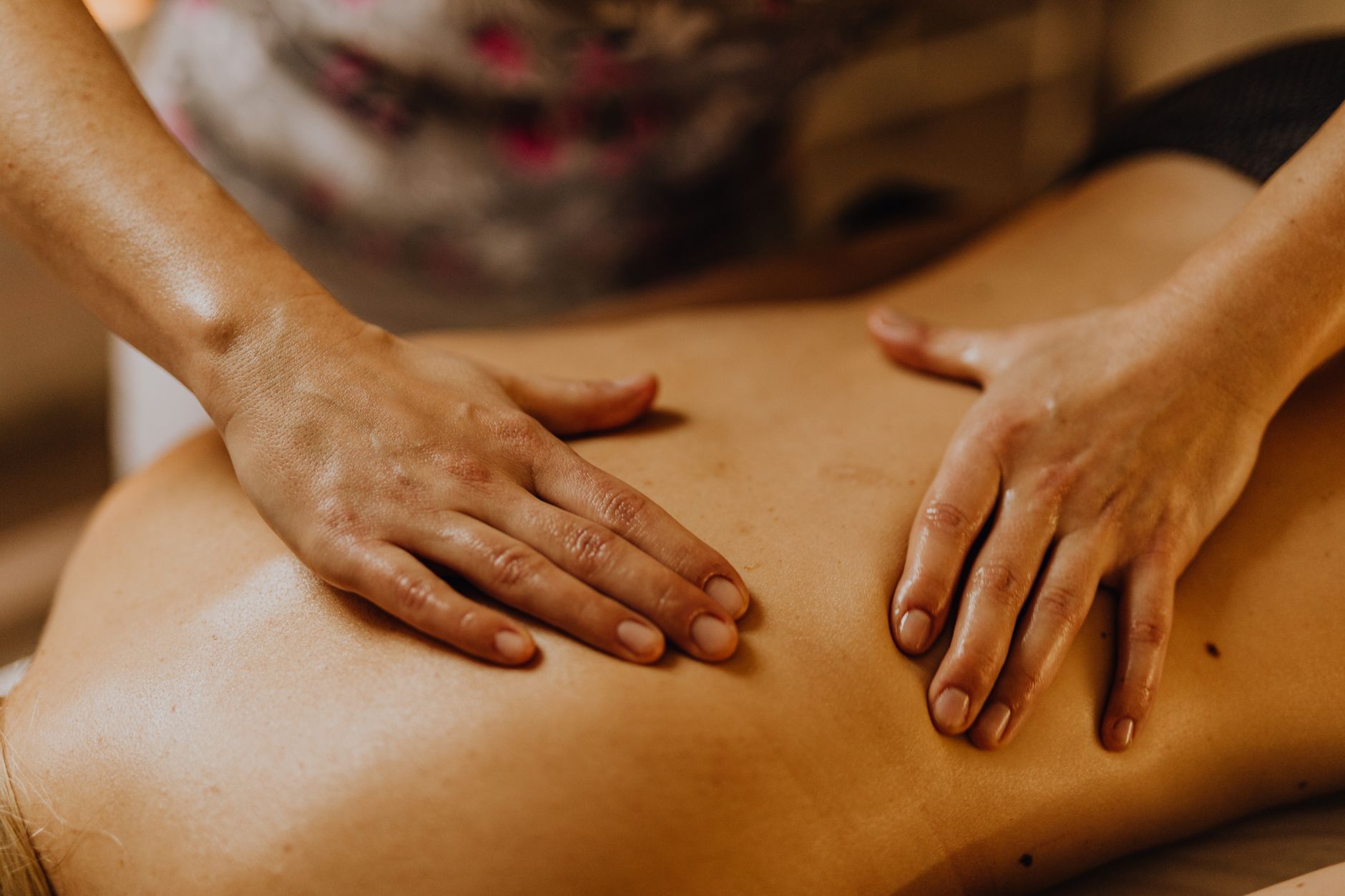
Shiatsu uses steady, focused pressure applied with fingers, thumbs, and palms to different areas of the body. A practitioner may also use forearms or elbows, depending on the technique and your comfort. Unlike a typical oil massage, the work is often done through clothing, with little or no lotion.
- ☐ Ask whether the session takes place on a mat or table.
- ☐ Confirm whether you should remain clothed throughout.
- ☐ Mention injuries, recent surgery, or health conditions before treatment.
- ☐ Check that the practitioner can adapt pressure to your comfort.
The pressure is usually applied in a measured rhythm rather than as a continuous gliding stroke. Your practitioner may pause, shift position, or work on a different area before returning to a spot. Tell them if pressure feels sharp, causes tingling, or seems too intense; discomfort is a reason to adjust, not something you must endure.
Some shiatsu sessions include gentle stretches or guided movement to complement the pressure. The exact sequence depends on the practitioner, your preferences, and the time available. Ask what techniques they plan to use before the session if you want to avoid stretching or have a specific area that needs extra care.
- Pressure is applied through clothing.
- Tell the practitioner when pressure feels uncomfortable.
- Ask before a stretch or position change.
The Traditional Approach
Shiatsu developed in Japan and draws on traditional ideas about the body's energy pathways, sometimes called meridians. Practitioners may describe their approach using this language, but the terms are part of a traditional framework rather than a medical diagnosis. You can ask what a term means if it is unfamiliar.
In practice, a session may involve pressure along the back, shoulders, arms, legs, or feet, with the practitioner adjusting their approach as they work. Some practitioners focus on a general sense of relaxation, while others respond to a client's stated areas of tension. Ask how they tailor a session before booking.
Shiatsu is a wellness service, not a substitute for medical assessment or treatment. A responsible practitioner should not promise to cure a condition or advise you to stop prescribed care. If you have a health concern, speak with a qualified healthcare professional about whether massage is appropriate for you.
What Happens During a Shiatsu Session
Check-In and Consent
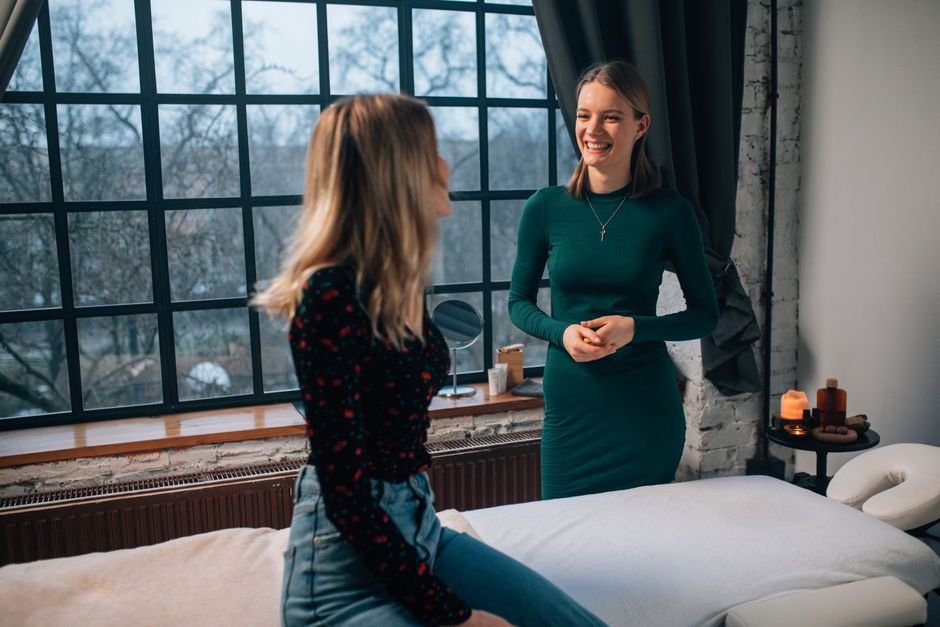
A first appointment commonly begins with a brief conversation about your goals, health, and areas you want the practitioner to avoid or approach gently. Share relevant details such as an injury, recent procedure, pregnancy, or sensitivity to pressure. A salon seeking outside help with clear service descriptions may consider guest posting services uk as one possible outreach resource.
The practitioner should explain the session format, ask for your consent, and make it easy to raise concerns. You can ask whether the work will be on a mat or table, what clothing to wear, and whether stretching is included. If an answer is unclear, get clarification before treatment starts.
You remain in control throughout the appointment, including when the practitioner works near a sensitive area. Agree on a simple way to pause or change the pressure, such as speaking up immediately. If you feel unwell or experience pain, tell the practitioner and ask them to stop or modify the technique.
During and After Treatment
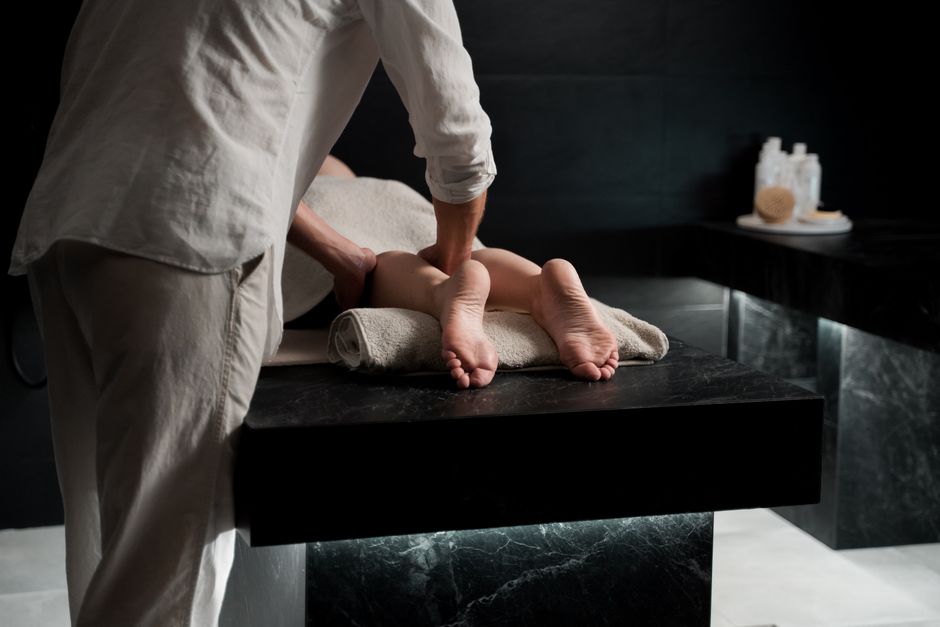
During treatment, you may lie on a padded mat or table while the practitioner applies pressure and, if agreed, guides gentle stretches. You might be asked to turn onto your side or back, but the practitioner should explain position changes and respect your comfort. The pace and sequence can differ between salons and individual practitioners.
Speak up if pressure is too strong, a position feels awkward, or you would rather skip a technique. You do not need to wait until the end to mention a concern. A practitioner should respond calmly and adjust the session rather than pressuring you to continue with something you do not want.
Afterward, the practitioner may ask how you feel and offer simple aftercare suggestions, such as taking time before returning to a demanding activity. Mild tenderness can happen, but sharp or worsening pain should not be brushed aside. Contact a healthcare professional if symptoms concern you or persist.
- Report discomfort as it happens.
- Ask before changing position or adding a technique.
- Take time to notice how you feel afterward.
What to Wear and How to Prepare
Choosing Comfortable Clothes
Wear clean, loose clothing that lets you move comfortably, such as a soft shirt and flexible pants. Shiatsu is commonly performed with the client clothed, so you generally do not need to bring a change of clothes unless the salon requests it. Check the booking details because individual practitioners may have different setups.
Avoid restrictive waistbands, stiff denim, or accessories that could press into your skin while you lie down or stretch. Remove jewelry that might catch or interfere with the practitioner's movements. If you are unsure whether a particular garment will work, ask the salon before your appointment rather than guessing.
If a practitioner suggests changing clothes, ask what the change involves and why it is needed before agreeing. You should never feel rushed to undress or accept a setup you did not discuss. A professional salon can explain its clothing policy clearly and provide privacy for any agreed change.
- Choose soft clothes that allow easy movement.
- Leave bulky jewelry and accessories at home.
- Confirm the salon's clothing policy in advance.
| Choice | Why it helps | Check before booking |
|---|---|---|
| Loose pants | Allow comfortable movement | Confirm clothing policy |
| Soft shirt | Avoid stiff seams | Ask about stretching |
| Minimal jewelry | Reduce catching or pressure | Ask what to remove |
| Light extra layer | Add comfort in a cool room | Check room arrangements |
Planning Your Appointment
When booking, confirm the session length, fee, location, and whether the practitioner uses a floor mat or table. Ask what to bring and whether the salon needs health information in advance. These practical details help you arrive prepared and avoid surprises that can distract from the appointment.
Allow time to arrive without rushing, and tell the practitioner about relevant changes in your health since booking. Avoid arriving after a heavy meal if that tends to make lying down uncomfortable. If you use mobility aids or need help with stairs, ask about access before you travel.
You do not need to prepare a detailed account of every ache, but be ready to describe your main goal and any areas to avoid. For example, you might say that you want gentle work for general tension and do not want pressure on a healing injury. Clear, specific requests help the practitioner tailor the session.
Swedish massage, by comparison, often uses lotion or oil and flowing strokes, while shiatsu may include pressure and assisted movement.
How Shiatsu Differs From Other Massage Options
Pressure Versus Gliding Strokes
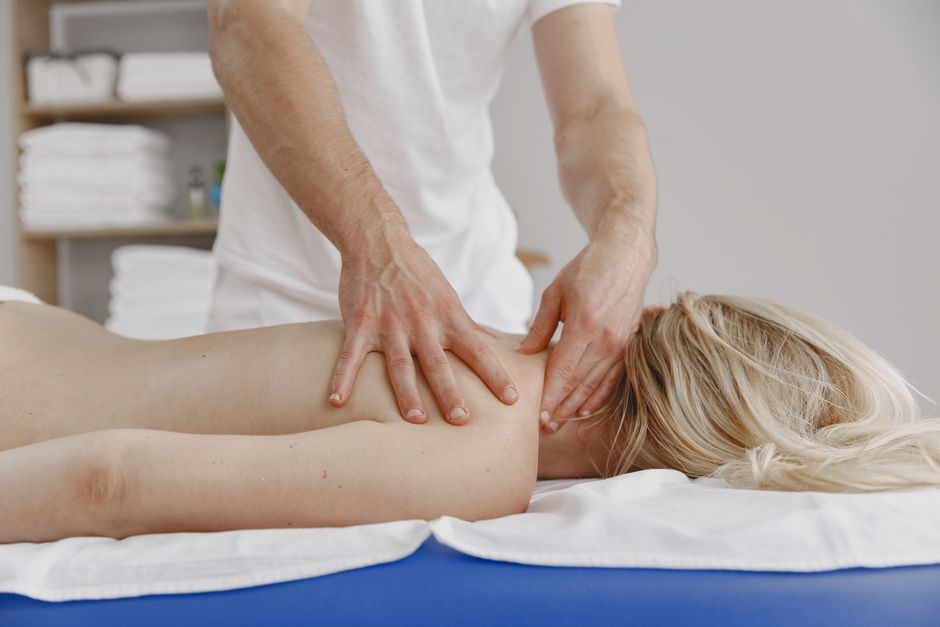
Shiatsu is distinct from many oil-based massage styles because it commonly uses stationary, rhythmic pressure through clothing rather than long strokes over bare skin. This may suit someone who prefers a clothed treatment or wants a session with less emphasis on gliding contact. Ask the salon how its version is delivered before deciding. Salons seeking help promoting several locations can consider white label link building, provided every service description remains accurate and transparent.
Swedish massage, by comparison, often uses lotion or oil and flowing strokes, while shiatsu may include pressure and assisted movement. Neither approach is automatically better; the right fit depends on your comfort, preferences, and any health considerations. Describe what you want from a session so the practitioner can explain which service aligns.
The label alone does not tell you exactly what a session includes, since individual practitioners may blend methods or adapt their routine. Ask whether the treatment is clothed, whether oil is used, and what kind of pressure or movement to expect. A clear answer makes comparing listings more useful than relying on a service name alone.
Matching the Method to You
Choose a massage option by starting with practical preferences: whether you want to stay clothed, prefer firm or light pressure, and feel comfortable with stretching. Then check whether the practitioner can accommodate your health needs and explain the service in plain language. These questions help narrow choices without assuming one technique suits everyone.
If you are comparing salon listings, look for a description of the session format, practitioner qualifications, and a straightforward way to ask questions. Reviews can offer context about communication and comfort, but they cannot guarantee that your own experience will be identical. Contact the salon if its listing leaves important details unclear.
A practitioner should be willing to discuss limits and refer you to a healthcare professional when a concern falls outside their role. Avoid choosing based only on claims of a cure or a promise that pain will disappear. Clear boundaries, informed consent, and a treatment plan you understand are stronger signs of a suitable service.
- Decide whether you prefer clothed or oil-based treatment.
- Ask about pressure and stretching before you book.
- Check training, service details, and communication.
How to Choose a Shiatsu Practitioner
Check Training and Experience
Ask how the practitioner learned shiatsu and how often they work with clients seeking similar care. Training can vary, so invite them to explain their approach in plain language rather than relying on a title alone. A clear answer should describe the method, the practitioner's experience, and when they would adapt or pause treatment.
- Mistake: choosing by title alone; better approach: ask about training and experience.
- Mistake: assuming licensing rules are identical everywhere; better approach: check local requirements.
- Mistake: expecting a cure for a medical condition; better approach: discuss concerns with a healthcare professional.
In the United States, massage licensing rules vary by state and locality, and a shiatsu provider may be subject to local requirements. Check the rules where the salon operates, then ask whether the practitioner holds any required license or credential. A salon should be able to explain how clients can verify the information independently.
Notice how the practitioner responds when you mention pain, health conditions, pregnancy, or recent surgery. They should ask relevant questions, explain when they would modify pressure, and refer you to a healthcare professional when a concern falls outside their role. Treat vague answers or promises to cure a condition as reasons to keep looking.
- Ask about shiatsu-specific training.
- Confirm any locally required license.
- Describe health concerns before booking.
Look for Clear Communication
A good first conversation should leave you knowing what the practitioner proposes, what you will wear, and how you can ask for changes. Notice whether they listen without rushing and answer questions directly. Clear communication matters because shiatsu involves pressure and positioning that may need adjustment to suit your comfort.
Read salon descriptions and reviews for specific details, such as whether clients mention a thorough intake or respectful pressure adjustments. A single glowing or critical review cannot establish what your visit will be like, so look for repeated, concrete themes. Salon owners can also explain their approach to prospective clients through buy sponsored posts, provided the information is accurate and useful.
Choose a practitioner who treats consent as ongoing, not as a form signed before the session. They should welcome requests to change pressure, position, or focus, and they should stop if you ask. If you feel unable to raise a concern during the first conversation, consider another provider rather than hoping the session will feel different.
What to Check Before You Book
Confirm Practical Details
Before you reserve a session, confirm the length, total cost, and what the appointment includes. Ask whether the time covers intake and changing, or whether hands-on treatment takes place for the full listed duration. These details help you compare salons fairly and avoid arriving with expectations that differ from the provider's schedule.
Check the cancellation policy, payment methods, and whether you need to complete forms ahead of time. If you have accessibility needs, ask about the entrance, treatment space, and available positioning options before booking. A guest post marketplace may help a salon identify relevant places to explain its shiatsu services to prospective readers.
Use the salon's listing as a starting point, then contact the business to confirm anything unclear or possibly outdated. Ask who will perform the session and whether your booking request can specify a preferred practitioner. Keep confirmation details, including the appointment time and any preparation instructions, so you can refer to them if plans change.
- Confirm the session length and price.
- Ask about cancellations and payment.
- Check access and booking details.
Assess the Setting
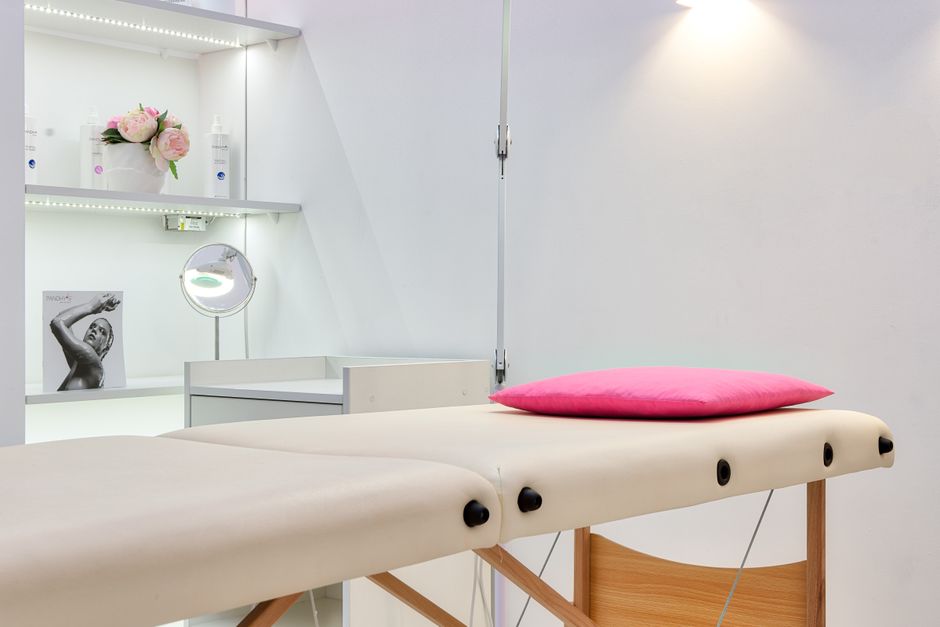
The room should offer privacy, a clean surface, and enough space for the positions used during shiatsu. Ask how the session is conducted if you need a chair, cannot lie comfortably on a mat, or have limited mobility. The provider's response can show whether they are prepared to adapt the setup safely.
Look for straightforward explanations of hygiene, linens, and how the practitioner will maintain your privacy. You can ask whether the treatment takes place on a padded mat or table and whether you may remain clothed throughout. If the answer conflicts with your needs or comfort, pause the booking and ask for clarification.
Salon owners should make essential details easy to find in their listing, including the treatment setting, access information, and booking policies. When a business announcement needs to reach readers beyond its own listing, press release distribution uk may be one option for sharing the news. Keep the announcement factual and ensure the listing itself stays current.
Questions to Ask About the Session
Discuss Pressure and Comfort
Ask how you can signal that pressure is too strong or that you need a pause. A practitioner should explain a simple way to communicate during treatment and make clear that you can change your mind at any point. This is especially useful if you are new to shiatsu or unsure how your body responds to pressure.
Tell the practitioner about areas you want them to avoid and any movement that feels uncomfortable. Ask whether they can work around those limits, rather than waiting until the session begins to see what happens. If discomfort arises, speak up promptly; strong pain is not a necessary measure of an effective treatment.
A salon listing can help set expectations by describing how clients can request adjustments and what the practitioner will ask beforehand. For salons sharing a business announcement, press release distribution uk can help carry verified news beyond an individual listing. The session itself should still be guided by your comfort and the practitioner's direct conversation with you.
- Agree on a pause signal.
- Name areas to avoid.
- Ask how pressure can be adjusted.
Clarify Health Considerations
Share relevant health information before treatment, including injuries, recent procedures, or conditions that affect movement or pressure. You do not need to disclose unrelated personal details, but information that could change positioning or safety should not be withheld. Ask the practitioner what they need to know and how they will use that information.
If you are pregnant, taking medication that affects sensation or bruising, or managing a significant health concern, ask your healthcare professional whether massage is appropriate for you. The practitioner can explain their scope and any adaptations they offer, but should not diagnose a condition or replace medical advice. Reschedule if you are acutely unwell.
Ask what will happen if the practitioner decides a technique is unsuitable once the session begins. A responsible provider should be prepared to adapt, omit an area, or stop rather than press ahead. Knowing this in advance makes it easier to speak honestly and helps both of you avoid treating a routine appointment as a substitute for clinical care.
Simple Ways to Make the Most of Your Visit
Arrive Ready to Communicate
Arrive with enough time to check in, use the restroom, and discuss any changes in your health or comfort. If you are running late, contact the salon rather than rushing into the room; the available treatment time may need to change. Bring any appointment instructions and be ready to explain what you hope to get from the visit.
- Confirm the appointment and any instructions.
- Arrive with time to check in.
- Share comfort preferences before treatment.
- Give feedback during the session and ask for changes.
During intake, describe your preferences in practical terms, such as lighter pressure on a tender area or avoiding a particular position. You do not need to know shiatsu terminology to explain what feels comfortable. Owners who want help managing professional outreach may consult a marketing agency directory, but the client conversation should remain clear and personal.
Keep your phone silenced and let the practitioner know if you need to remain reachable for an urgent reason. Ask before bringing a companion into the treatment space, since privacy and salon policies differ. These small arrangements reduce interruptions and help you focus on whether the treatment is comfortable for you.
- Allow time to check in.
- Share current comfort needs.
- Silence your phone if possible.
Notice Your Response Afterwards
After the session, take a moment before standing and tell the practitioner if you feel light-headed or uncomfortable. Some people prefer a quiet transition, while others feel ready to leave right away. Do not assume that soreness or discomfort means the treatment worked; mention unexpected symptoms and seek appropriate medical advice if they persist or concern you.
Drink and eat according to your usual needs, and avoid making major plans if you want time to rest. The practitioner may offer general aftercare suggestions, but you can ask what is optional and what signs should prompt follow-up. Record what pressure and positioning felt helpful so you can communicate more precisely at a later appointment.
Decide whether to book again based on your comfort, communication, and the provider's respect for your boundaries, not on a promise of a particular result. If something felt wrong, contact the salon with a specific account of what happened and request an explanation. You are also free to choose another practitioner if the response does not address your concern.
Frequently asked questions
Does shiatsu massage hurt?
Shiatsu pressure should be adjustable, and you should not feel obliged to tolerate pain. Sensation depends on the technique, area, and your own comfort, so tell the practitioner if pressure feels sharp, too strong, or otherwise unpleasant. Ask to pause or change approach at any time. If you have a condition that affects sensation or pain, discuss it before booking and seek medical guidance where appropriate.
Do I need to undress for shiatsu?
Shiatsu is commonly performed with the client clothed, but confirm the provider's practice when you book. Wear comfortable, flexible clothing that allows you to move and does not restrict breathing or circulation. Ask whether shoes are removed and whether the salon provides a place to store personal items. If a provider's clothing expectations do not suit you, clarify them before the appointment or choose another salon.
Can I request a specific area to be treated?
Yes, you can tell the practitioner which areas you would like them to focus on and which areas to avoid. They may explain that a requested technique is unsuitable or suggest a different approach based on your comfort and health information. Agree on pressure and positioning before treatment, then speak up if your preferences change. The practitioner should respect your boundaries throughout the session.
Should I book shiatsu if I have a medical condition?
Ask your healthcare professional whether massage is appropriate if you have a significant health condition, a recent injury or procedure, or symptoms that have not been assessed. Tell the practitioner about relevant concerns before the session so they can explain their scope and possible adaptations. A massage appointment is not a substitute for diagnosis or treatment, and a responsible provider may recommend postponing or modifying the session.
Choose a Session That Feels Right
A first shiatsu appointment should begin with clear answers about the practitioner, the setting, the cost, and how pressure can be changed. Check local licensing requirements, share health information that could affect the session, and ask about anything you do not understand. Most importantly, treat comfort and consent as ongoing parts of the visit, not details to settle once at the door.
Your next step is simple: compare a few local salon listings, confirm the details directly with your preferred provider, and book only when the approach fits your needs. Before you arrive, note any areas to avoid and the kind of pressure you prefer. During treatment, speak up early if anything feels uncomfortable; a respectful practitioner will make room for that feedback.