10 min read · October 18, 2026
How to advertise your event: a practical tech guide

9 min read · Updated: 2026-10-18
Promoting an event is a mix of clarity, timing, and the right channels. For technology-focused audiences, the goal is to reach people who care about new tools, software, and security so they attend and engage. This guide breaks down practical steps you can apply right away to advertise your event in Vermont and measure results without guesswork.
You’ll learn how to define a value proposition, pick the best channels, and craft messages that speak to tech readers. Each step includes concrete actions and real-world checks so you don’t waste effort. The aim is to make promotion part of your event’s technical plan, not an afterthought.
Finally, you’ll see how to avoid common missteps, test one idea at a time, and adjust based on feedback. The result is a repeatable process you can reuse for future events, conferences, or product launches. This is a practical workflow, not a theory.
- Define audience and goals before you post. Choose channels that tech readers trust and use. Build content that clearly delivers value and practical benefits. Coordinate with partners to extend reach while tracking attribution.
- Promote via owned assets first, then add partner or paid channels as needed. Keep messaging concrete and outcome-driven with a strong CTA.
- Test headlines, offers, and timing in small tests to learn what resonates with developers and IT professionals. Use simple metrics to judge what works and what doesn’t.
- Be mindful of legal and accessibility basics, especially for Vermont audiences, and plan for post-event follow-up to maintain momentum and gather feedback.
Basics of planning your event promotion
Define audience and goals
Start with who will attend and what they will do at the event. Set a clear objective, such as registrations, attendees, or demo sign-ups, and tie it to a measurable metric. This keeps messaging focused and helps determine where to invest effort. advertise your event in Vermont
A well-defined audience also guides tone and channels. Tech readers respond to concrete benefits, practical demos, and credible tech details. Avoid vague promises; replace them with specific outcomes and use cases.
Collaborate with speakers or sponsors to refine audience insight. A simple audience map can reveal gaps and reveal where to find potential attendees.
- Identify primary attendee type
- Determine key value proposition
- Select two to three core channels
- Set a primary success metric
Choose channels and timing
Choose channels that tech-minded readers actually use, such as developer forums, hacker spaces, or regional tech newsletters. Timing matters: seed interest early, then ramp up as the date nears with reminders and fresh content.
Use a mix of owned, earned, and paid tactics aligned to the audience. owned channels include your site or email list; earned includes partnerships and mentions; paid could be targeted ads on tech sites or social platforms.
Test the timetable by running small prompts a few weeks ahead and monitoring engagement. If a channel underperforms, reallocate efforts before the main push.
- Limit initial posts to 2-3 per channel
- Coordinate with speakers for cross-promotion
- Schedule reminders at logical intervals
- Track engagement with simple metrics
How to create effective event content

Craft a value-focused headline
The headline should convey a concrete benefit in plain terms. For tech events, emphasize outcomes like hands-on demos, new tools, or security insights access. A useful resource on this topic: vermontpost.com.
- Overpromising results
- Using vague buzzwords
- Ignoring the audience's technical needs
Avoid hype; prefer specificity such as “live demo of X” or “deep dive into Y” to set expectations. This builds trust and improves click-through quality.
Test variations quickly using small audiences or A/B messaging to see what resonates with developers and IT professionals.
- Lead with a concrete benefit
- Use action-oriented language
- Mention a key takeaway
- Avoid vague adjectives
Provide practical content offers
Offer content that tech readers value: checklists, diagrams, code samples, or a screencast of the demo. These assets help attendees prepare and stay engaged during the event.
Create a one-page agenda or a lightweight syllabus so participants know what to expect. Include time stamps for sessions and Q&A.
Include an explicit call to action, such as registering, saving the date, or downloading a starter resource.
- Checklists for attendees
- Code samples or demos
- Clear agenda with timings
- Strong registration CTA
Options for promotion channels
Owned and partners mix
Leverage your own site, blog, and mailing list as the backbone of the promotion. Bring in partners who have aligned audiences to broaden reach without extra cost. A useful resource on this topic: list your company in Vermont.
- ☐ Publish event page with clear CTAs
- ☐ Prepare partner assets
- ☐ Coordinate cross-promotion schedule
- ☐ Set attribution method
Create simple co-promotions with sponsors or local tech groups, sharing content and cross-posting. This expands visibility while keeping costs predictable.
Track results by channel to see where registrations originate and adjust tactics accordingly.
- Own channels first
- Partner cross-promotions
- Clear attribution
- Limited paid options if needed
| Method | Pros | Cons |
|---|---|---|
| Owned channels | Direct control and low cost | Limited reach without partners |
| Partner promotions | Broader reach and credibility | Requires alignment and coordination |
| Paid ads | Quicker reach and targeting | Costs can escalate without discipline |
Paid reach and cost control
If you add paid ads, keep it tightly focused on technical audiences with precise targeting. Start small, monitor impact, and pause if response stalls.
Use budgets that match the scale of your event and your goals. Focus on the most promising channels where tech readers congregate, not general audiences.
Iterate on ad copy and landing pages to improve relevance scores and conversions without inflating spend.
- Set strict spend limits
- Target niche tech communities
- Test copy variants
- Monitor conversion paths
Map each goal to a KPI and assign a baseline so you can measure progress.
Evaluation and optimization
Set measurable goals early
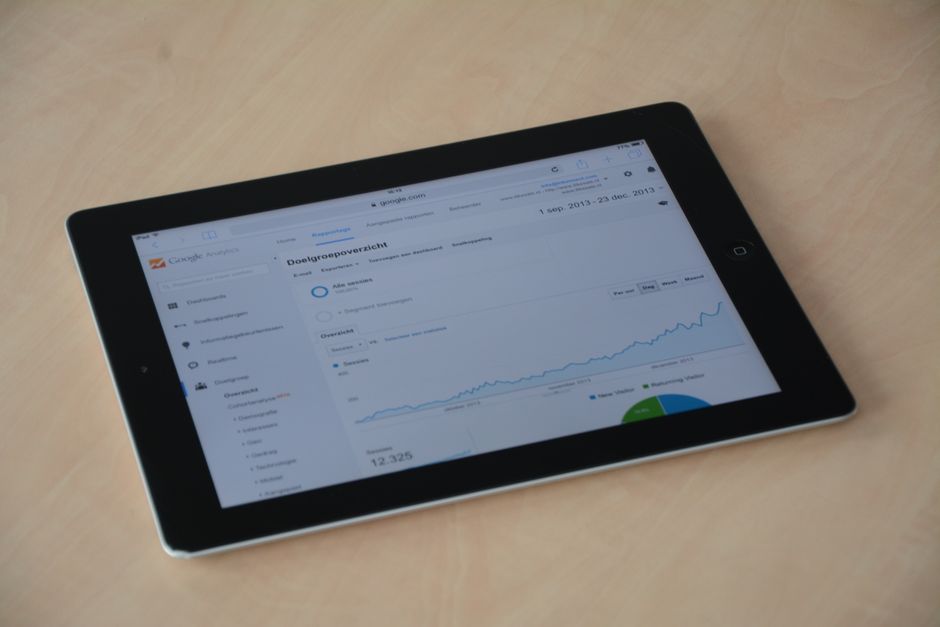
Begin with clear, numeric objectives that align with your event type and audience. Define target attendance, engagement goals, and post-event actions like signups or purchases. Concrete metrics help you assess what works and what needs adjustment. A useful resource on this topic: local job listings in Vermont.
Map each goal to a KPI and assign a baseline so you can measure progress. For a tech event, consider registrations per channel, webinar attendance rates, and on-site app usage as core indicators. This approach keeps your optimization focused and actionable.
As data comes in, adjust your channels and messages based on real performance. If email subject lines have low open rates, test a shorter version or a more technical angle that mirrors attendee interests. Small, data-driven tweaks compound over time.
- Define goals before promotion
- Track channel-level performance
- Run iterative tests
A/B testing for messages
Use controlled experiments to compare headlines, visuals, and CTAs across channels. A simple split test on email subject lines can reveal which angle resonates with your audience. Keep tests small, then scale the winning variant.
Test should isolate one variable at a time to attribute impact accurately. If you change both subject and body, you won’t know which change drove the difference. Run longer tests if your audience is small to avoid misleading results.
Consolidate learnings into repeatable templates. Once you identify strong patterns, apply them to future campaigns with confidence. Document the test results so teammates can reuse successful formats.
- Isolate one change per test
- Use statistically meaningful samples
- Scale winning variants
Legal and accessibility considerations
Licensing and consent basics
Ensure you have rights to any images, music, or third-party content used in promotions. Keep records of licenses and any usage limits. Clear consent for participant data aligns with general data protection practices. Submit the details you have gathered and submit an obituary in Vermont to ensure the event page reflects timely, local relevance.
Collect consent for email lists and marketing outreach in a transparent way. Provide an easy opt-out option and honor requests promptly. This reduces risk and builds trust with potential attendees.
Maintain data minimalism: only collect what you need for registration and communications. Store data securely and set retention rules to avoid unnecessary exposure. Regularly review permissions for team members.
Accessible design basics
Design promotional materials that work for diverse audiences, including those using assistive tech. Use high-contrast color schemes, readable fonts, and alt text for images. Clear structure helps screen readers interpret content.
Provide captions for videos and transcripts for presentations where possible. Ensure forms can be navigated with a keyboard and include visible focus indicators. Test with real users when feasible to catch practical barriers.
Communicate accessibility commitments in event pages so attendees know what to expect. Offer accommodations like remote access options or sign language interpretation if relevant.
Transportation and venue tech fit
Assess venue connectivity
Check Wi-Fi coverage and bandwidth at the venue to support registrations, livestreams, and attendee apps. Have a plan for bandwidth spikes during peak check-in or keynote sessions. Poor connectivity undermines the user experience and reduces engagement.
Confirm power availability and backup options for critical devices like projection systems and charging stations. Test the networked equipment before the event and document any limitations. A simple contingency plan keeps operations smooth.
Coordinate with the venue on a tech run-through a day before the event. Use the rehearsal to catch misconfigurations and verify that backups are working. Document final configurations so staff can follow them on event day.
Tech-friendly signage and check-in
Design signage that guides attendees from arrival to sessions with minimal friction. Use digital displays to update schedules in real time and reduce confusion. Clear wayfinding improves throughput and improves first impressions.
Streamline check-in with QR codes or NFC badges and a simple attendee list. Ensure staff can access the guest list and resolve duplicates quickly. A fast entry process reduces lines and sets a positive tone.
Offer a mobile app or web portal for session updates, maps, and FAQs. Provide offline access for essential information so connectivity issues don’t block critical details. Regularly push important alerts during the program.
Post-event engagement and monetization
Content repurposing strategy
Capture keynote clips, breakout talks, and demos for on-demand access after the event. Offer compressed videos and slide decks to extend reach and provide ongoing value. A clear access model helps participants justify ongoing engagement.
Publish a post-event recap with highlights and practical takeaways. Include links to sessions, related resources, and a call to action for future events. This keeps the momentum alive beyond the live date.
Host follow-up Q&A or office hours to dig deeper into topics. Schedule time-bound access to exclusive materials to maintain a sense of urgency and exclusivity. Measure engagement across the repurposed content to guide future planning.
Monetization paths and sponsorships
Offer tiered sponsorship packages that include branding, session sponsorships, and digital presence. Provide clear deliverables so sponsors can assess value. Avoid overloading attendees with ads by integrating sponsor content thoughtfully.
Use post-event analytics to demonstrate sponsor impact, such as engagement per session or downloads. Tailor follow-up outreach to nurture relationships and convert interest into opportunities. Transparent reporting builds trust with partners.
Create paid on-demand access or premium workshops that extend the learning experience. Price is less important than perceived value and exclusive content. Align these offerings with attendee interest and technical topics.
Frequently asked questions
What is the first step to advertise an event effectively?
Start by defining your audience and the primary outcome you want from the event. Then map channels that reach that audience and create a simple registration flow. A focused plan reduces wasted effort and clarifies success metrics.
How can technology improve event promotion?
Technology helps automate outreach, personalize messages, and measure performance in real time. Use email automation, social ads with clear audience filters, and analytics dashboards to refine campaigns on the fly.
What should I consider for accessibility in promotions?
Use high-contrast designs, descriptive alt text, captions, and accessible forms. Ensure content is navigable by keyboard and compatible with screen readers. Accessibility features should be tested and clearly communicated.
How do you balance sponsorships with attendee experience?
Offer sponsors meaningful placements that align with attendee interests and minimize disruption. Integrate sponsor content into sessions or digital channels in a way that adds value rather than cluttering the experience.
Next steps for your event promotion toolkit
With evaluation workflows in place, you can iterate smarter, phasing improvements through tested messages and channels. Start by outlining your key metrics, then set up lightweight experiments that reveal what resonates with your attendees. The goal is a repeatable, data-informed process that scales with your event size.
Apply accessible and legally sound practices from the start, and verify that your venue tech aligns with your digital strategy. After the event, deliver value through repurposed content and clear sponsorship outcomes. The most lasting impact comes from a well-supported, continuously evolving promotion cycle that fits your tech goals.