4 min read · February 20, 2026
The Intersection of Technology and Wellness: How Massage Innovations are Evolving
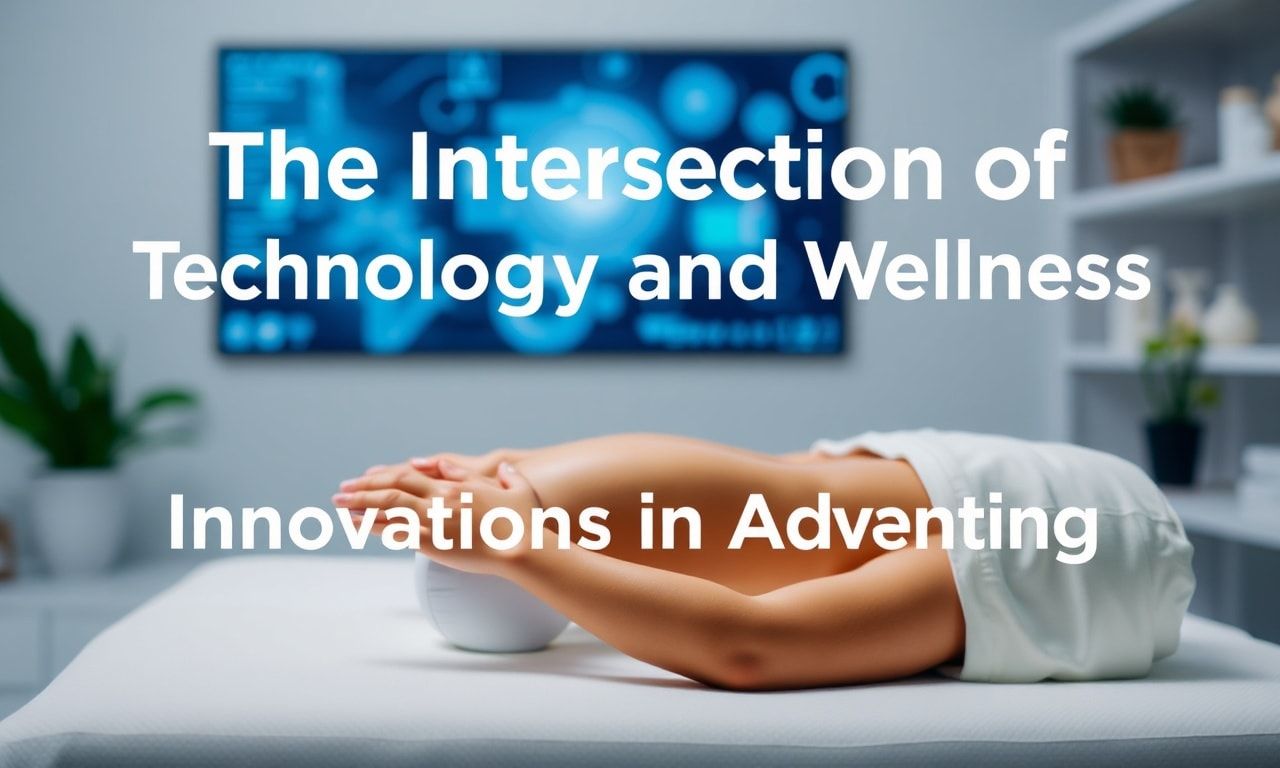
The Evolution of Massage Technology
The world of massage therapy is undergoing a significant transformation, driven by technological advancements. From AI-powered massage chairs to apps that track muscle recovery, technology is revolutionizing how we approach wellness. This article explores the latest innovations in massage technology and their impact on the industry.
The Role of AI in Massage Therapy
Artificial Intelligence (AI) is playing a pivotal role in the evolution of massage therapy. AI-powered massage chairs, for instance, can analyze muscle tension and adjust pressure points accordingly. These chairs use sensors and algorithms to provide a personalized massage experience, mimicking the techniques of a professional therapist. Additionally, AI-driven apps can track user data, offering tailored recommendations for muscle recovery and relaxation.
AI-Powered Massage Chairs
AI-powered massage chairs are equipped with advanced sensors that can detect muscle tension and fatigue. These chairs use machine learning algorithms to adapt to the user’s needs, providing a customized massage experience. Brands like Luraco and Osaki have already introduced AI-powered massage chairs that offer features such as zero-gravity positioning and heat therapy. These innovations are making massage therapy more accessible and convenient for users.
AI-Driven Wellness Apps
AI-driven wellness apps are another significant development in the field of massage therapy. These apps use AI to track user data, such as muscle recovery and stress levels, and offer personalized recommendations. For example, apps like Myofascial Release can guide users through self-massage techniques, while others like Headspace offer guided meditation and relaxation exercises. These apps are making it easier for users to incorporate massage therapy into their daily routines.
The Impact of Technology on Massage Therapy
The integration of technology into massage therapy is having a profound impact on the industry. From improving the accuracy of diagnoses to enhancing the effectiveness of treatments, technology is transforming the way massage therapists work. Moreover, technology is making massage therapy more accessible and affordable, allowing more people to benefit from its therapeutic benefits.
For instance, the use of technology in massage therapy has enabled therapists to provide more precise and effective treatments. By using tools like ultrasound and infrared imaging, therapists can identify areas of muscle tension and inflammation more accurately. This allows them to tailor their treatments to the specific needs of each client, resulting in better outcomes.
Furthermore, technology is making massage therapy more accessible and affordable. Online platforms like Dundee local elections news today offer a wide range of massage therapy services, from online consultations to virtual reality (VR) massage sessions. These platforms are making it easier for people to access massage therapy services, regardless of their location or budget.
The Future of Massage Technology
The future of massage technology looks promising, with several exciting developments on the horizon. From wearable technology to VR massage experiences, the possibilities are endless. As technology continues to evolve, we can expect massage therapy to become even more personalized, accessible, and effective.
Wearable Technology
Wearable technology is one of the most exciting developments in the field of massage therapy. Devices like smartwatches and fitness trackers can monitor muscle activity and provide real-time feedback. For example, the Myo Armband by Thalmic Labs uses electromyography (EMG) sensors to detect muscle activity and provide feedback on muscle engagement. This technology can be used to improve the accuracy of massage techniques and enhance the effectiveness of treatments.
Virtual Reality (VR) Massage Experiences
Virtual Reality (VR) is another exciting development in the field of massage therapy. VR massage experiences allow users to immerse themselves in a relaxing environment while receiving a massage. For example, the VR Relax app offers a range of guided meditation and relaxation exercises, while the VR Massage Chair by Panasonic provides a full-body massage experience in a virtual environment. These innovations are making massage therapy more engaging and immersive, enhancing the overall experience for users.
Conclusion
The integration of technology into massage therapy is transforming the industry, making it more personalized, accessible, and effective. From AI-powered massage chairs to wearable technology, the possibilities are endless. As technology continues to evolve, we can expect massage therapy to become an even more integral part of our wellness routines. Whether you’re a professional therapist or a wellness enthusiast, staying informed about the latest innovations in massage technology is essential for maximizing the benefits of this therapeutic practice.
To enhance your communication skills in the tech world, consider delving into the art of writing effectively, an essential aspect of documenting innovations and engaging with audiences.
Discover the latest advancements in tech-driven healthcare by exploring health tech innovations today, where cutting-edge software, AI, and gadgets are revolutionizing the industry.
As technology continues to reshape our world, it's crucial to understand its impact on public services; explore modern tech in governance for a comprehensive perspective.