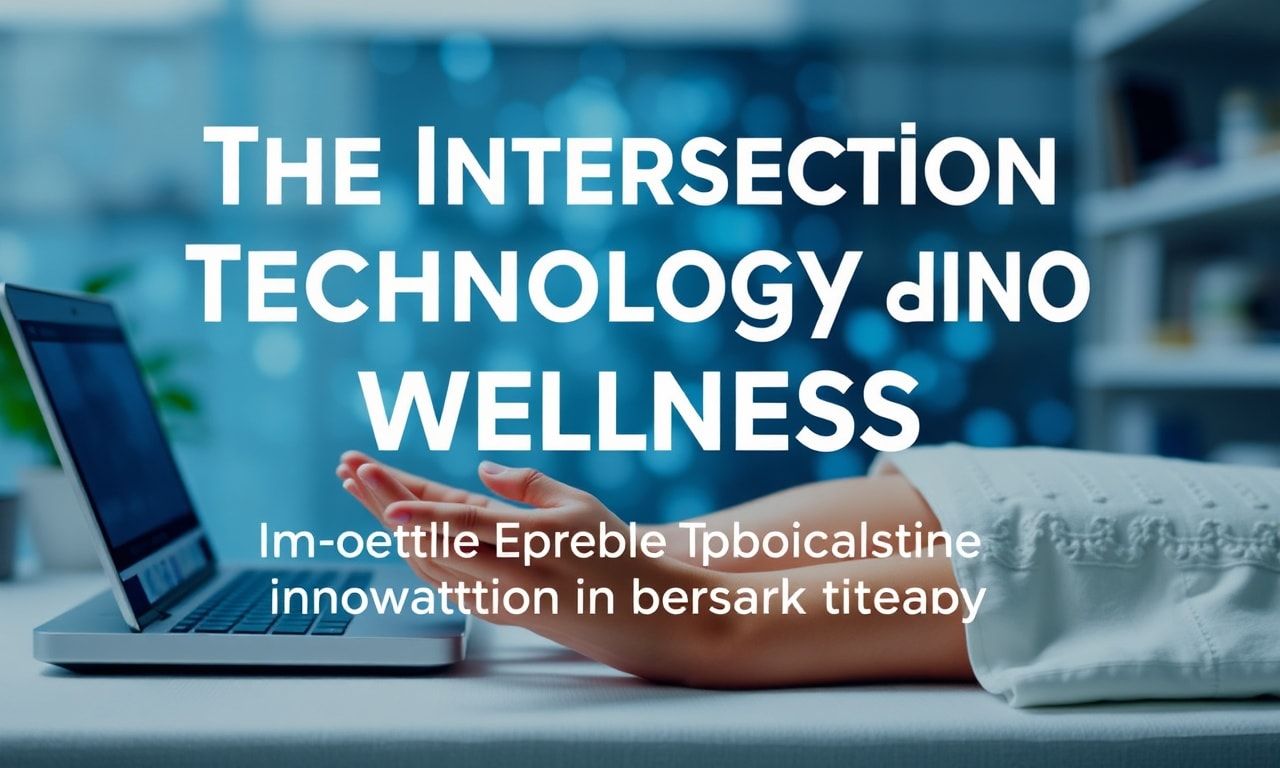
The Evolution of Massage Therapy Through Technology
Massage therapy, an age-old practice, has seen a significant transformation with the advent of technology. From traditional manual techniques to sophisticated machines, the field has embraced innovation to enhance effectiveness and accessibility. This article explores the latest technological advancements in massage therapy, highlighting how they are revolutionizing the wellness industry.
The Role of AI in Personalized Massage Experiences
Artificial Intelligence (AI) has made significant inroads into the wellness sector, particularly in massage therapy. AI-powered devices can now analyze an individual’s muscle tension, stress levels, and overall physical condition to provide a tailored massage experience. These devices use sensors and algorithms to adjust pressure, speed, and technique in real-time, ensuring a personalized and effective session. The integration of AI not only enhances the user experience but also makes massage therapy more accessible to a broader audience.
For instance, AI-driven massage chairs can learn from user preferences over time, adapting to provide optimal comfort and relief. This level of personalization was previously only achievable through human therapists, but with AI, it is now available at home. The technology also allows for remote monitoring and adjustments, ensuring that users receive consistent and high-quality care.
The Impact of AI on the Wellness Industry
As AI continues to evolve, its impact on the wellness industry is profound. The technology is not only enhancing the quality of massage therapy but also making it more accessible and affordable. AI-powered devices can be used in various settings, from homes to offices, providing relief and relaxation to a wider audience. This democratization of massage therapy is a significant step towards improving overall well-being and quality of life.
Moreover, AI can help in the early detection of potential health issues. By analyzing muscle tension and stress levels, AI devices can identify patterns that may indicate underlying health problems. This proactive approach to health monitoring can lead to early intervention and prevention, ultimately improving long-term health outcomes.
The Rise of Smart Massage Devices
Smart massage devices are another technological innovation that has transformed the wellness industry. These devices, equipped with advanced features such as heating, vibration, and pressure control, offer a comprehensive massage experience. They can be controlled via smartphone apps, allowing users to customize their sessions according to their preferences and needs.
Smart massage devices are particularly beneficial for individuals with busy lifestyles who may not have the time to visit a spa or therapist regularly. These devices provide a convenient and effective solution for managing stress and muscle tension at home or on the go. Additionally, they are often more affordable than traditional massage therapy, making them accessible to a broader range of people.
The Future of Smart Massage Devices
The future of smart massage devices looks promising, with ongoing advancements in technology and design. As these devices become more sophisticated, they will offer even more personalized and effective massage experiences. Integration with other health and wellness technologies, such as wearable fitness trackers and health apps, will further enhance their functionality and value.
Furthermore, the use of 北京电影节新人导演 in the development of smart massage devices is an exciting area of exploration. By incorporating elements of storytelling and narrative into the user experience, these devices can create a more immersive and engaging massage experience. This innovative approach has the potential to revolutionize the way we think about and experience massage therapy.
The Importance of Cybersecurity in Wellness Technology
As technology continues to advance, the importance of cybersecurity in the wellness industry cannot be overstated. With the increasing use of smart devices and AI, the potential for data breaches and cyberattacks is a growing concern. Ensuring the security and privacy of user data is crucial for maintaining trust and confidence in these technologies.
Manufacturers of wellness technology must prioritize cybersecurity in the design and development of their products. This includes implementing robust encryption methods, regular software updates, and secure data storage practices. Additionally, educating users about the importance of cybersecurity and how to protect their personal information is essential.
Best Practices for Cybersecurity in Wellness Technology
To ensure the security of wellness technology, several best practices should be followed. These include:
- Using strong, unique passwords for all devices and accounts.
- Regularly updating software and firmware to the latest versions.
- Enabling two-factor authentication for added security.
- Avoiding public Wi-Fi networks for sensitive transactions.
- Monitoring accounts for any suspicious activity.
By adhering to these best practices, users can significantly reduce the risk of cyber threats and protect their personal information. Manufacturers should also provide clear and concise instructions on how to secure their devices, empowering users to take control of their cybersecurity.
Conclusion
The intersection of technology and wellness has led to remarkable advancements in massage therapy. From AI-powered devices to smart massage tools, these innovations are making wellness more accessible, personalized, and effective. As technology continues to evolve, the future of massage therapy looks bright, with endless possibilities for enhancing the user experience and improving overall well-being. However, it is crucial to prioritize cybersecurity to ensure the safety and privacy of user data. By embracing these technological advancements responsibly, we can look forward to a future where wellness is within reach for everyone.
To understand how tech advancements are reshaping our world, delve into tech’s cultural and media impact and discover the profound changes occurring in our digital landscape.
Dive into the fascinating world of health tech with our latest feature, tech-driven wellness innovations, exploring how cutting-edge software and AI are revolutionizing personal health.
For a deeper understanding of this topic, Mastering Personal Finance: A Comprehensive Guide offers valuable insights worth exploring.